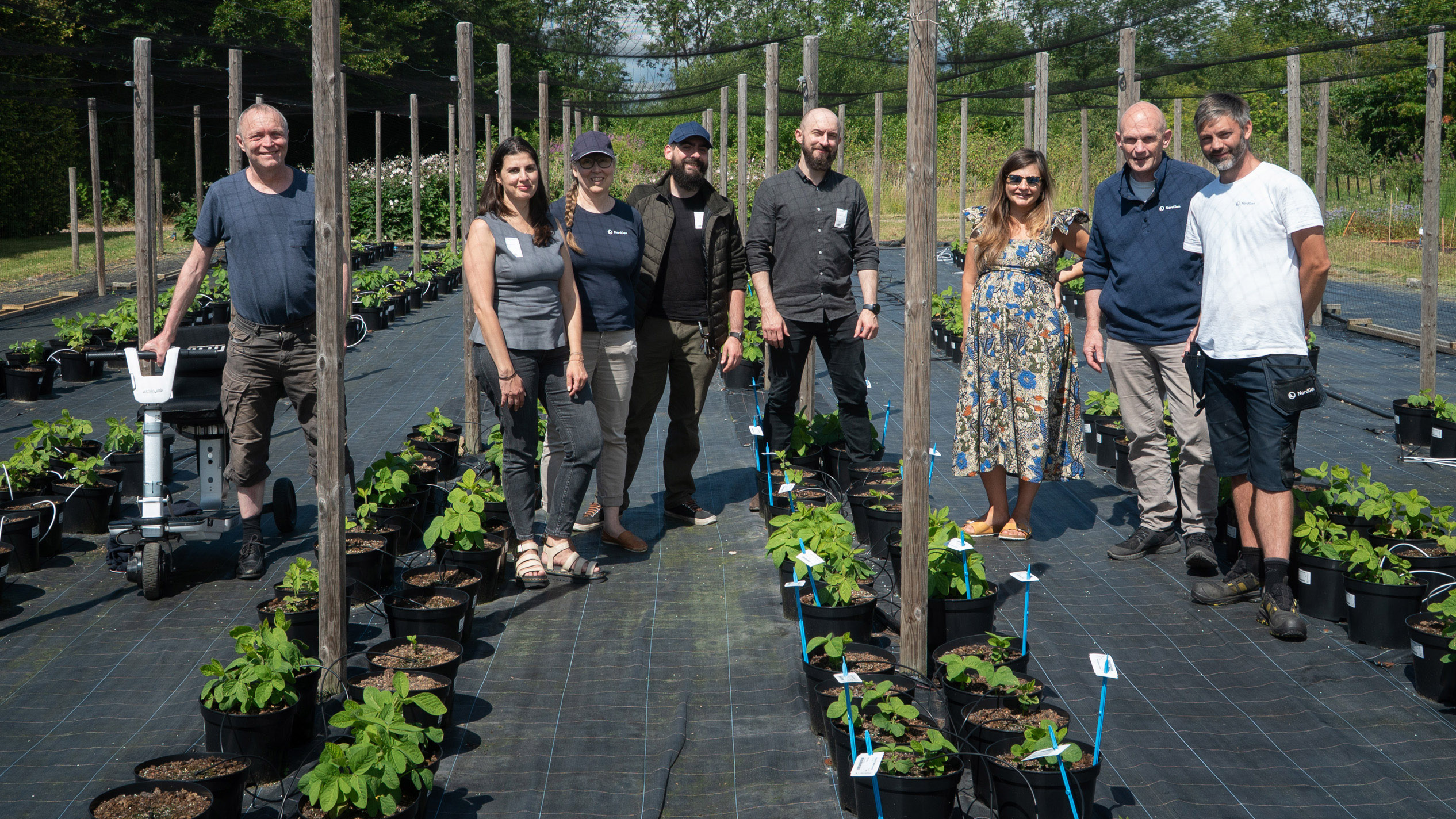
PROJECTS
To participate in and lead different projects is an important part of NordGen’s operations. In close collaboration with public institutions, private companies and other organizations, the overall purpose of all projects is to conserve and promote the sustainable use of genetic resources for Nordic food and agriculture. The funding for the projects is granted by the European Union, the Nordic Council of Ministers, directly from the Nordic countries through its government bodies or from public and private foundations and other organizations. Below is a summary of some of our more high-profile projects that were active in 2025.
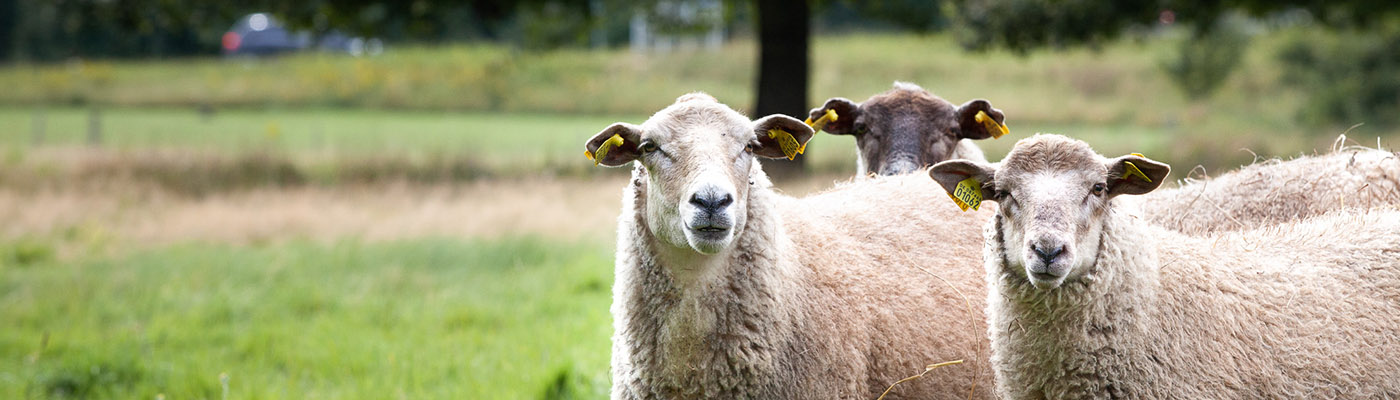
Top photo: The Danish native breed Klitfår.
Avenue
The collaborative project Breeding organic Avena sativa L. (Oat) with high nutritional value (AVENUE) aims to develop data and a prediciton model that can be used to develop quality oat varieties with high nutritional value that are suitable for organic farming. The project will address the need for oat varieties with high nutritional value specifically tailored to sustainable organic production.
The project will advance our knowledge of genotype and environment interactions, by bridging disciplines of plant genetics, agronomy and statistics. The overall objective is to develop prediction models that integrate quality, diversity, environment and cultivation management. To achieve this, the project will evaluate 200 oat varieties and landraces (of which 180 are from NordGen) that have been collected from across the Nordic Region and grown for a century surviving changes in climate and agricultural practices. As part of the project, field trials will be carried out in Scotland, Denmark and Sweden over a two-year period.
Among other things, the project will deliver the following:
- Quantitative phenotypic data.
- A prediction model to determine the nutritional value of oats.
- New breeding material tailored to different climate scenarios to future proof health-promoting and sustainable oat production.
The project Avenue will run during 2025-2027 with fundings from the Novo Nordisk Foundation.
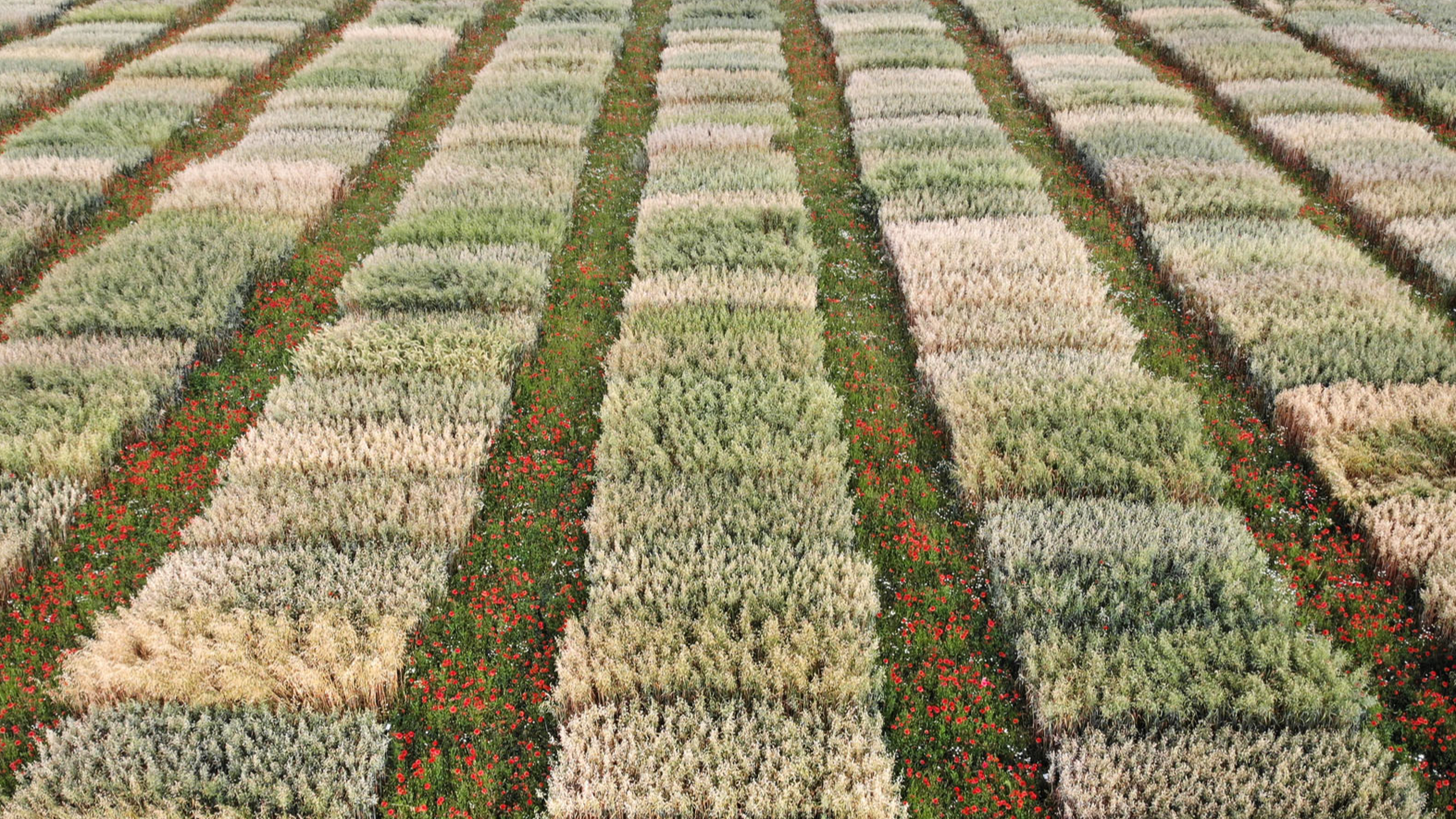
Part of NordGen's field cultivation in the Avenue project, July 2025.
Nordic crop wild relatives
Crop wild relatives (CWR) are wild plant species that are closely related to crops. They are of great importance since traits in these wild species can be transferred to crops by traditional plant breeding approaches. In many cases, wild species have traits that are not present in modern crops, for example pest and disease resistance, tolerance to drought, waterlogging or heat stress. Such traits are very important when adapting crops to future climate conditions and diseases and are therefore central for climate change adaptation and future food security.
The Nordic network on CWR was initiated in 2015 with the long-term aim to promote a well-functioning, climate- and environmentally friendly Nordic agriculture by strengthening CWR conservation and facilitating use of CWR. The fourth phase of the project was approved in 2025 and has the title Wild plant diversity for resilient Nordic food systems
- a nature-based solution. The project will include project activites such as:
- a nature-based solution. The project will include project activites such as:
- Identification of climate change refugia.
- Species-specific Nordic CWR conservation strategies.
- Diversity analysis for conservation optimisation and use.
- Nordic CWR population management guidelines.
- Seed collection and conservation.
- Communication.
The fourth phase of Nordic CWR project will be active during 2026 to 2027 with funding from the Nordic Council of Ministers, as well as self-funding from the participating organisations. The project is coordinated by NordGen.
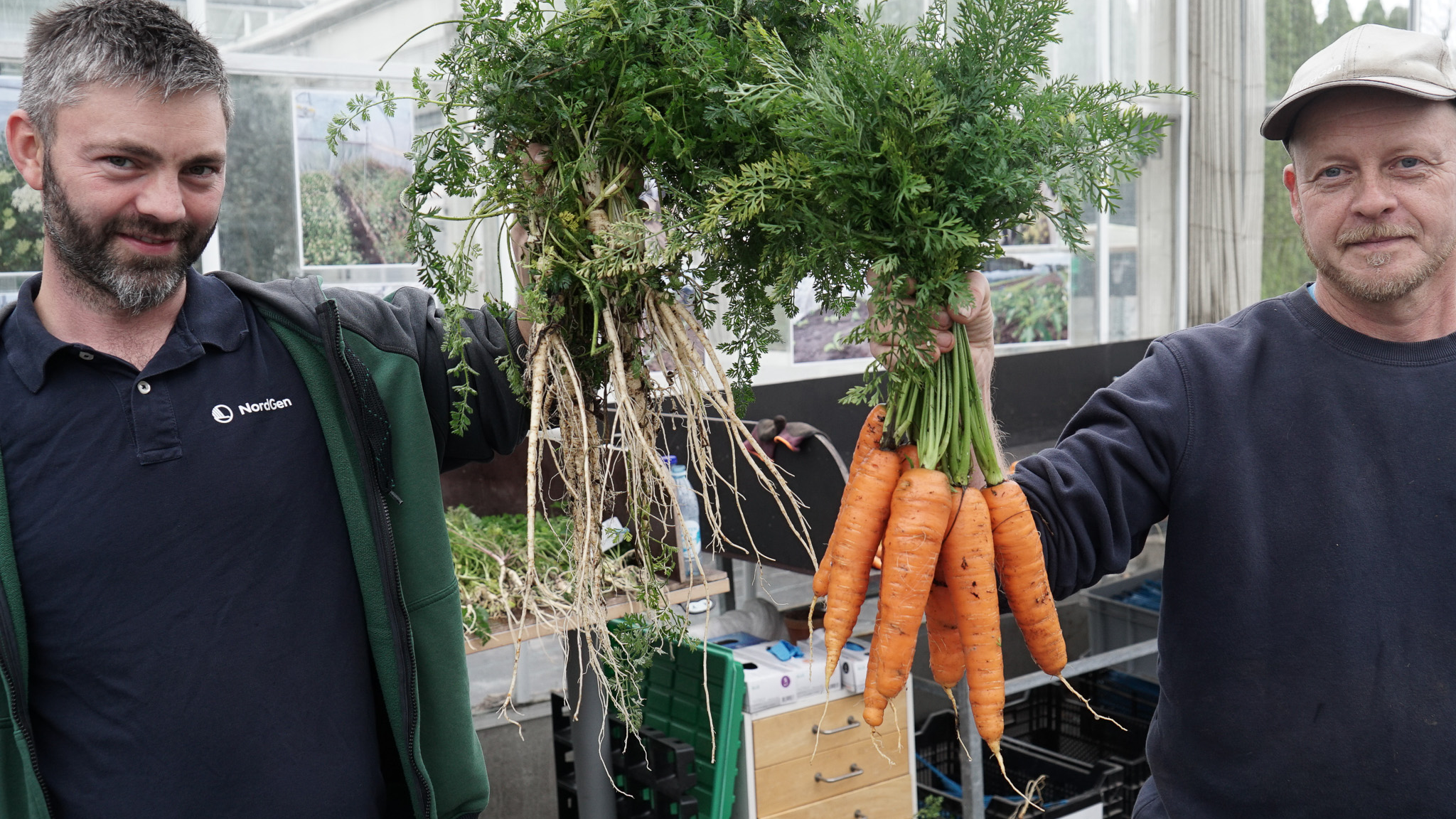
Wild carrot and cultivated carrot in NordGens genebank collection.
NordWool
Network for Nordic Landrace Sheep Wool (NordWool) is a collaborative network dedicated to characterizing, assessing, and promoting the sustainable use of Nordic native sheep breeds, with a focus on their potential unique wool properties. The project seeks to elevate the often-overlooked role of wool in sheep farming, balancing the current focus on meat production.
By uniting spinning mills experts, sheep breeders and farmers, and researchers, NordWool aims to enhance the recognition, quality, and market potential of Nordic native wool, while supporting biodiversity, conserving endangered breeds, and preserving cultural heritage.
The network will create a WoolWiki, a catalogue that provides insight into the wool quality of the different Nordic landrace sheep breeds. It will also create a WoolBank - a physical reference collection of Nordic wool samples with standardised quality descriptions, including DNA samples, photos and other phenotypic information. Finally, the network will brainstorm new innovative ways of using wool to reduce dependence on synthetic fibres and increase the visibility and market value of wool from endangered breeds.
The project will run from 2025 to 2027 and is funded by The Nordic Joint Committee for Agricultural and Food Research (NKJ). During 2025, project activities included mapping key stakeholders and preparations for a physical workshop, which was planned as one of the major outputs of the project in 2026. In parallel, important preparatory steps were taken towards establishing a Nordic wool bank.
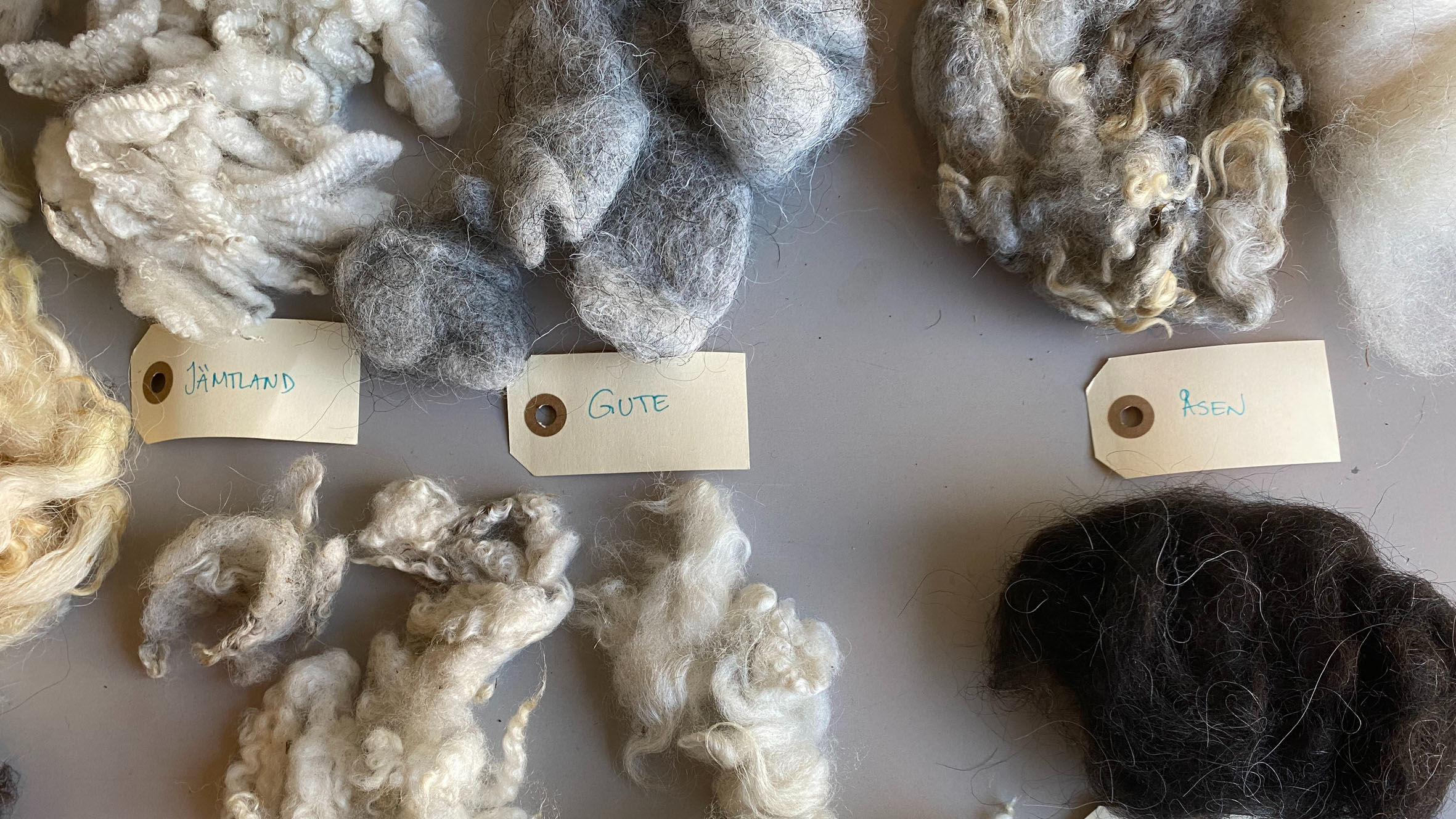
Wool from Swedish landrace sheep.
Next generation genebanking
The project Next generation genebanking – Unlocking the potential of plant genetic resources in the sequencing era was granted by Novo Nordisk Foundation and started in 2024. In this collaborative project, NordGen and Aarhus University will map the Nordic seed collection of protein crops. The project will lead to a substantial lift for the genebank collection since researchers and plant breeders will get access to brand new information about NordGen’s seeds – information which is vital for developing future plant-based protein sources.
The project focuses on 4500 protein crop accessions from the Nordic seed collection, such as peas, beans, lentils, and clover, that will be genotyped and phenotyped. Further, a number of so called core collection will be established. Core collections are a smaller number of seed samples that can represent a large part of the genetic diversity for each species. The project partners will create an entirely new genebank infrastructure enabling researchers to easier and faster find the genes that code for certain traits in the plant. These activities also involves sharing all the gathered information under open access.
The project is funded by Novo Nordisk Foundation and will run from 2024-2026.
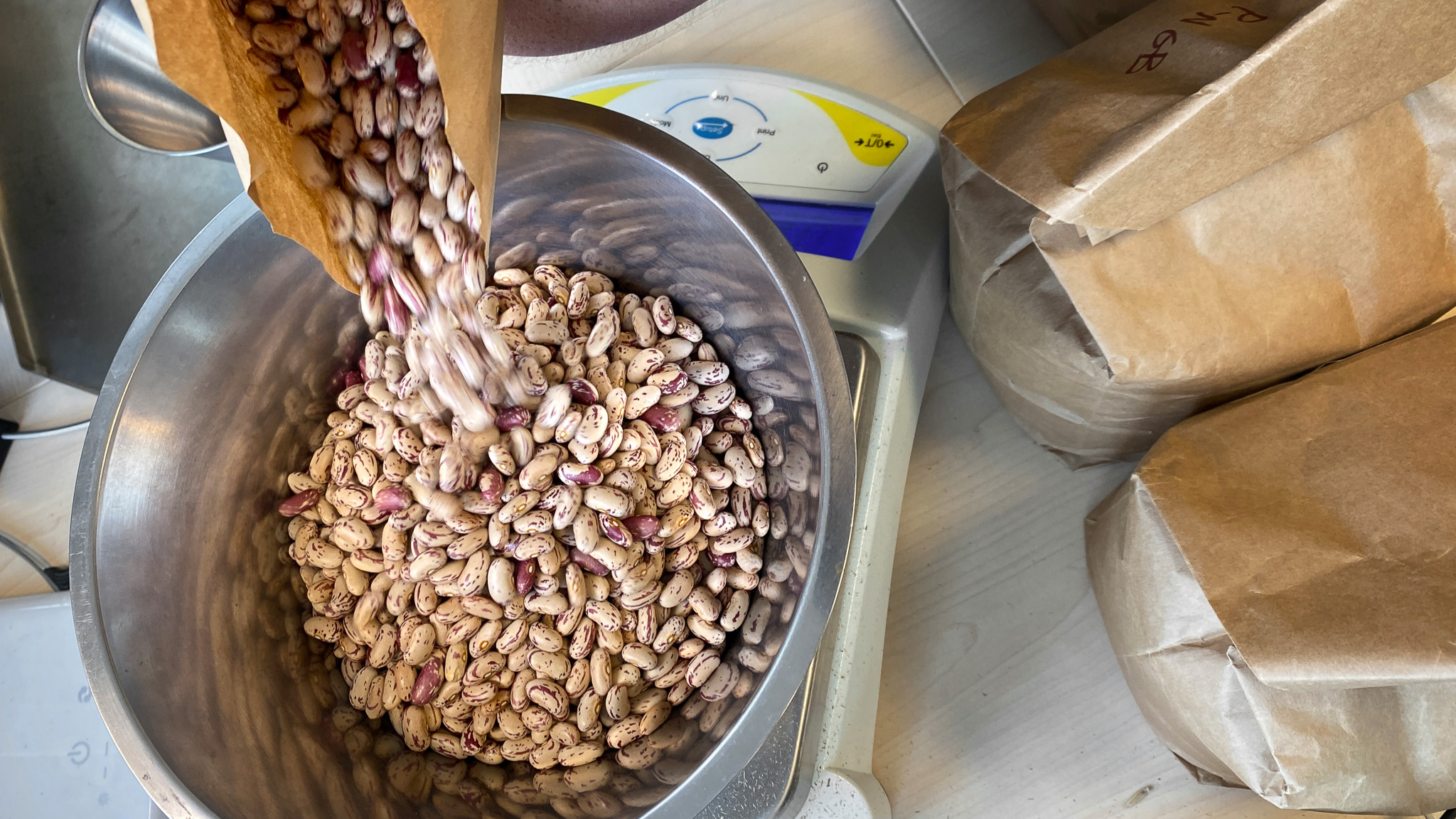
The Swedish bean Sanda, one of many beans in NordGen's collection.
PROSPER
Promoting Resilient Orphan Legumes for Sustainable Agriculture and Food Security (PROSPER) will deliver sustainable technical solutions using resilient orphan legumes (OLs) to diversify agriculture and value chains across Mediterranean, Central, and Northern Europe.
Through a multi-actor, participatory approach, it will co-create technologies that enhance crop productivity in challenging environments, expand food and biocircular economy products, and provide on-demand spatial information services.
Building on partners’ past expertise, PROSPER will develop novel resilient legume varieties, assess their environmental and nutritional performance, and promote technology transfer. The project aims to boost biodiversity, ecosystem services, and agricultural sustainability while fostering socioeconomic development and connecting EU and global biodiversity policies.
As part of the project, NordGen will conduct trial cultivation of black medick (Medicago lupulina), alfalfa (Medicago sativa), annual yellow-lupin (Lupinus luteus) and chickpea (Cicer arietinum). PROSPER is a Horizon Europe project funded by the European Union that will be active during 2025 to 2029.
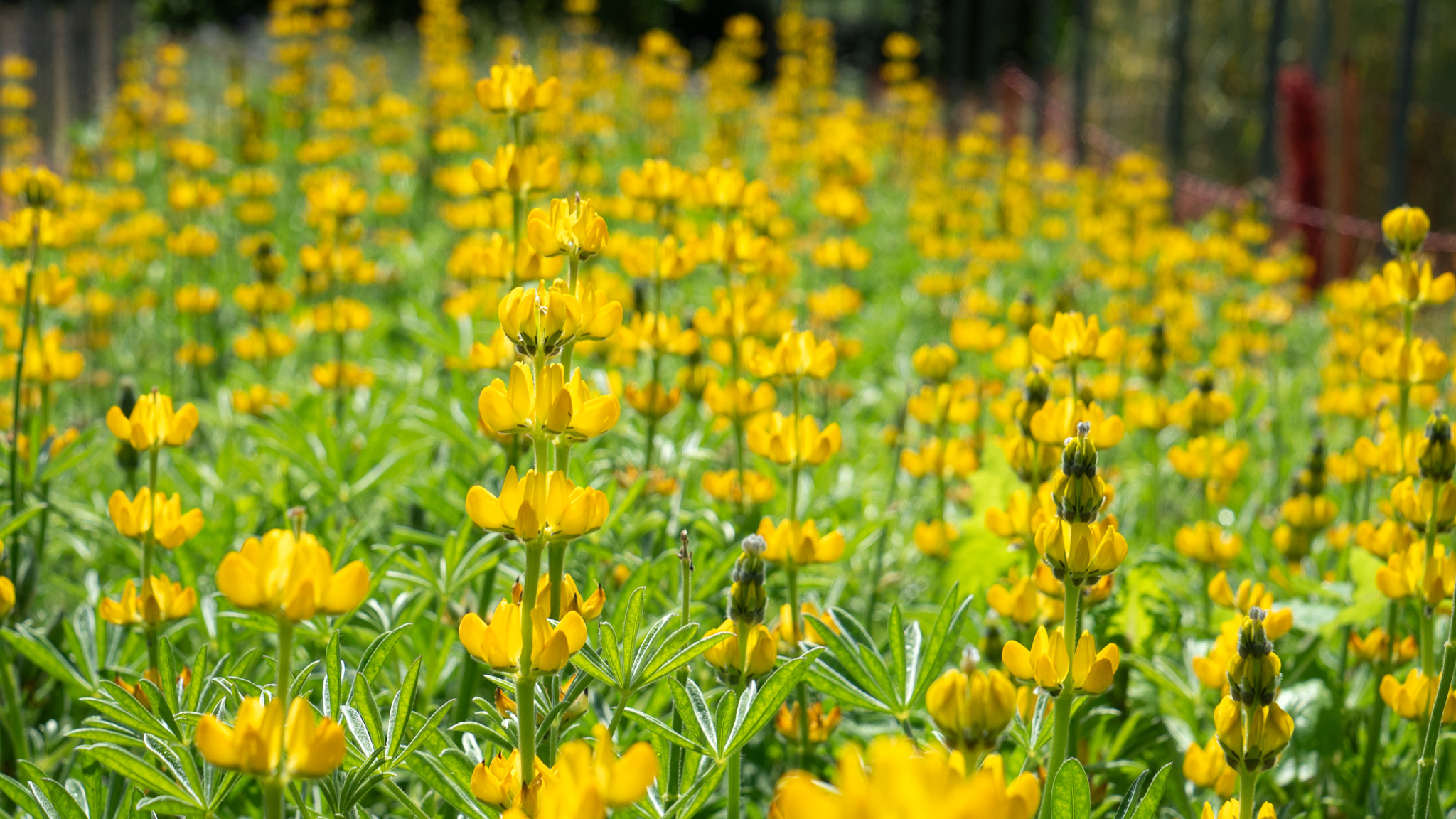
Annual yellow-lupin (Lupinus luteus) in NordGen's garden.
FUnCrop
Another active project during 2025 on orphan, or so called underutilised, crops was FUnCrop – an abbreviation for Strengthening food security by conservation and knowledge-building of underutilized crops.
Underutilized crops are considered important genetic resources that, in a global context, are often overlooked in research and development compared to major crops and have the potential to be grown on a wider scale. These crops contribute to resilience by offering alternatives in the face of climate change, thriving in diverse environments, and holding cultural significance. Recognizing and promoting underutilised crops is vital for building sustainable and resilient food systems.
The aim of the FUnCrop project is to create a Nordic/Baltic/Ukrainian operational network for underutilized crop conservation development to meet future challenges of food security and climate resilience. In addition, the project will engage in knowledge-sharing, workshops and field trials. In 2025, NordGen conducted cultivation of buckwheat, grey peas, lentils and mustard within the project.
The FUnCrops project is coordinated by NordGen and will be active from 2024 to 2026 thanks to fundings from the Swedish Institute.
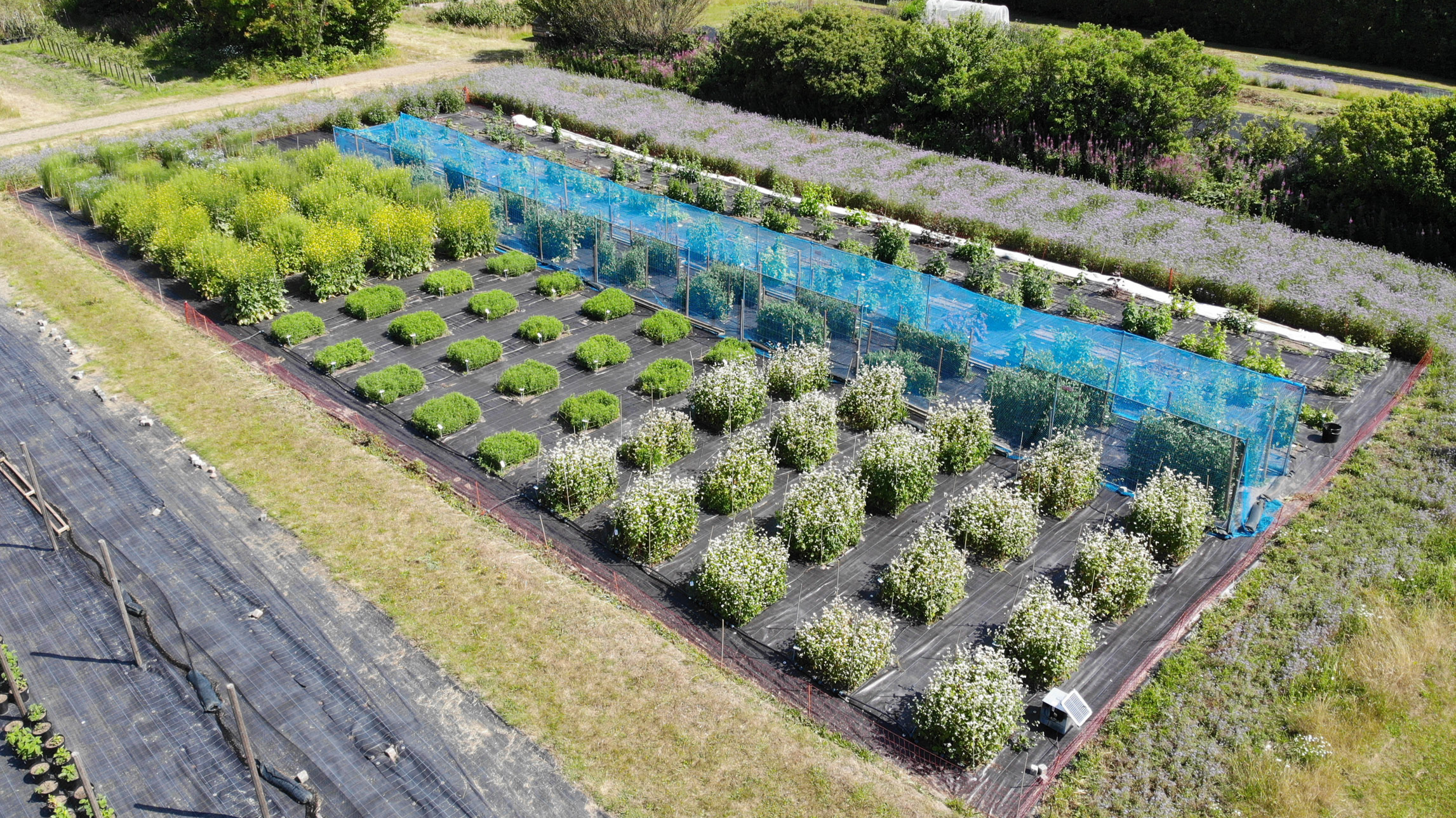
The FUnCrop field trial in NordGens garden, July 2025.
Ålandsheep
The project with the title Wool properties and genetic background of Ålandsheep – produced targeted data to support breed branding is a research initiative focusing on characterising the wool properties and genetic background of the endangered Ålandsheep, a native Nordic breed.
The project aims to generate scientific knowledge needed to support sustainable use, conservation, and value creation for wool as a high-value, locally adapted fibre resource. Despite growing interest in sustainable and regionally distinctive wool products, the properties and genetic basis of wool in Nordic native breeds remain poorly documented.
The study combines phenotypic and genomic approaches.
Wool and blood samples, together with phenotypic information, will be collected from 30–50 Åland sheep with known pedigrees for genomic sequencing and trait recording. Wool samples will be analysed using standard laboratory methods to assess fibre quality traits such as fineness, length, strength, and other characteristics relevant to textile use. Blood samples will be processed for genomic sequencing, and the resulting data will be used to evaluate genetic diversity, population structure, and relationships to other Nordic breeds. All samples and associated data will be deposited in the Nordic WoolBank.
The long-term goal is to integrate these datasets to improve understanding of the genetic basis of fibre traits. In parallel, historical and cultural sources related to breed and its wool, will be mapped to address the cultural heritage dimension and support the development of an evidence-based breed narrative.
The project is funded by August Johannes ja Aino Tiuran maatalouden tutkimussäätiö and will be active during 2025 to 2026.
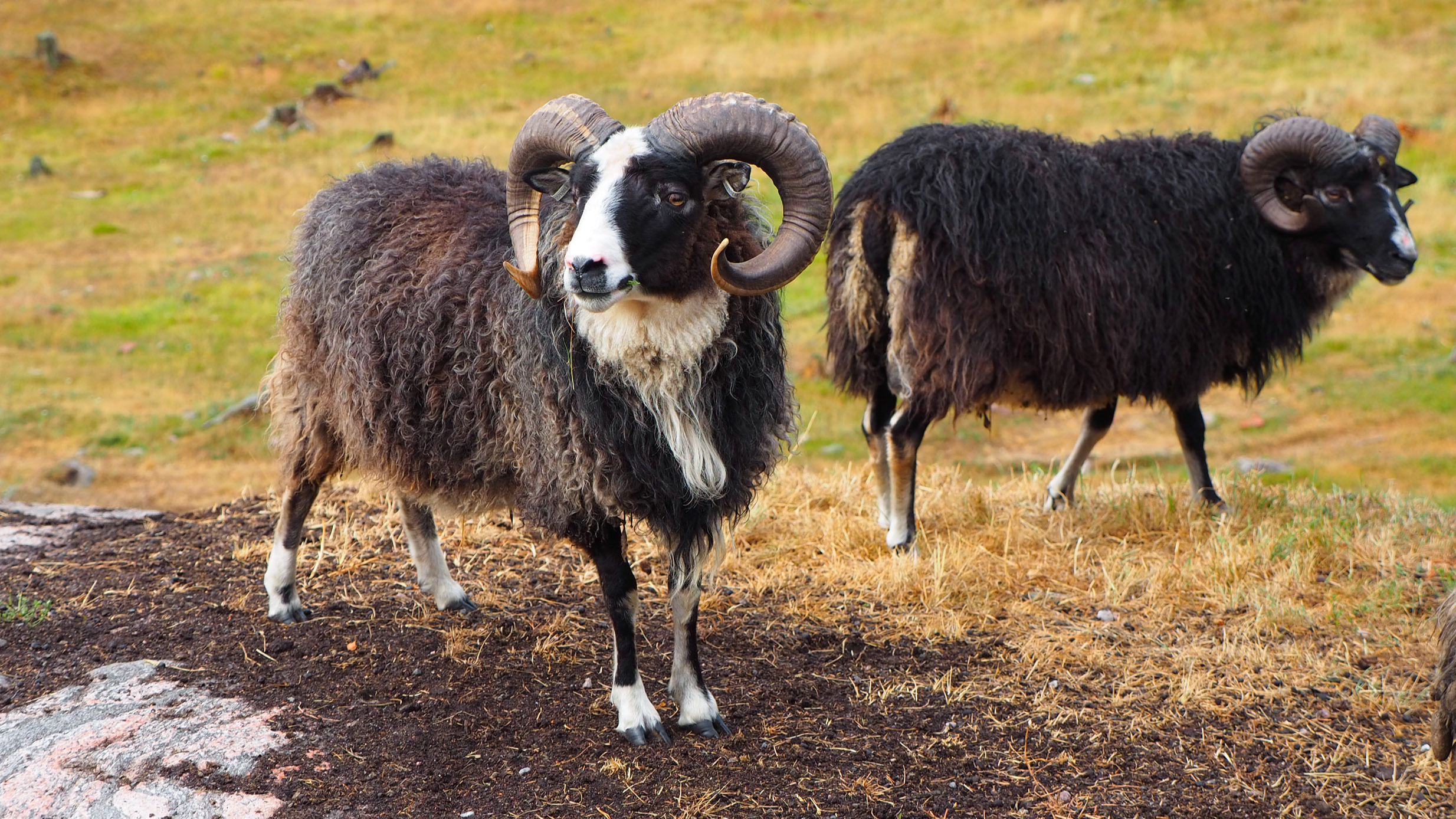
Ålandsheep captured by Mervi Honkatukia.
SwedeSeed
The collaborative project SwedeSeed will develop a system for seed production from wild plants of local origin for use in nature conservation. This is because there is a lack of regional seeds and seedlings of wild plants in Sweden and at the same time a great need for an adapted material, for example to use in:
- Nature restoration.
- Agriculture.
- When constructing new facilities.
- The fight against alien invasive species.
- Ecological compensation.
- Within the framework of a green infrastructure.
One result of the project will be to compile methods and guidelines for seed collection and handling and storage of seeds from wild plants. The project focuses on gathering knowledge from existing programs to develop and test an approach to produce regional seeds in Sweden, adapted to Swedish conditions. Based on existing knowledge, methods will be developed for seed collection, cleaning, storage, testing of seed viability and cultivation on a larger scale.
During 2025, NordGen received more than 100 seed samples as a result of the project.
SwedeSeed is funded by the Swedish Board of Agriculture and will run from 2024 to 2027.
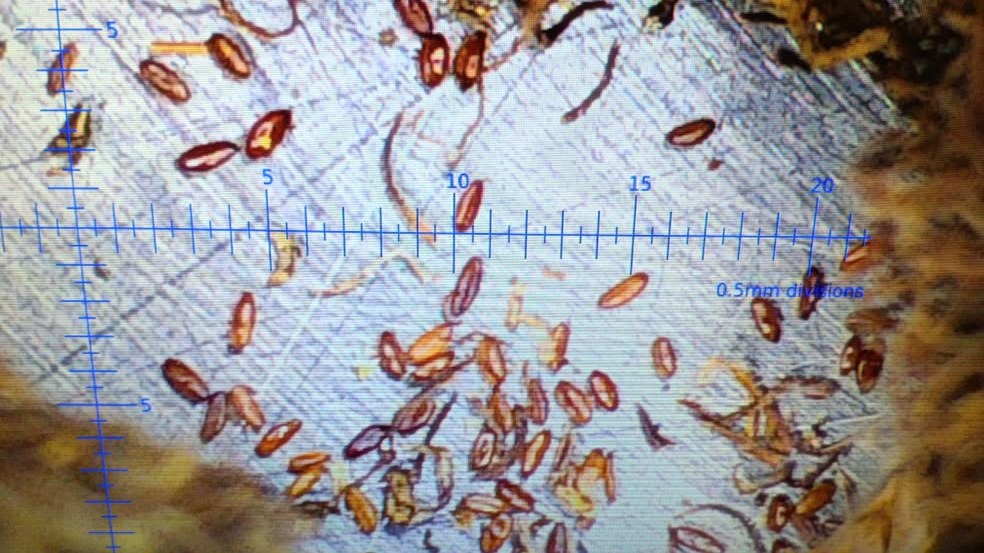
One of the many seed samples from the project that were processed in NordGen’s seed lab was the herb sheep’s-bit (Jasione montana).
Nordic flax futures
This project will collect information on what it requires to re-establish flax and linen production in the Nordic countries – from the current small-scale flax projects towards a larger scale production. Flax and linen production involves agriculture, fibre processing, spinning and textiles. This complex topic requires new competencies to be developed across several sectors.
The goal of Nordic flax futures is to establish a network among the parties to be involved, particularly in the areas of agriculture, education, and the related industry across the value chain. We will explore the current state of flax and linen production, and assess the necessary resources and infrastructure for scaling up, especially in what comes to the necessary skills and knowledge that needs to be rebuilt across the different sectors involved.
By gathering insights from various regions, we aim to facilitate knowledge exchange and collaboration among participants. This initiative will enhance business connections among farmers, educators, artisans, designers, and commercial entities involved in the flax and linen industry – ultimately to contribute to the growth of flax and linen production in the Nordic countries.
Nordic flax futures is funded by the Nordic Council of Ministers through Nordplus Horizontal. The project will run during 2025 to 2027 with partners in Sweden, Finland, Norway and Denmark.
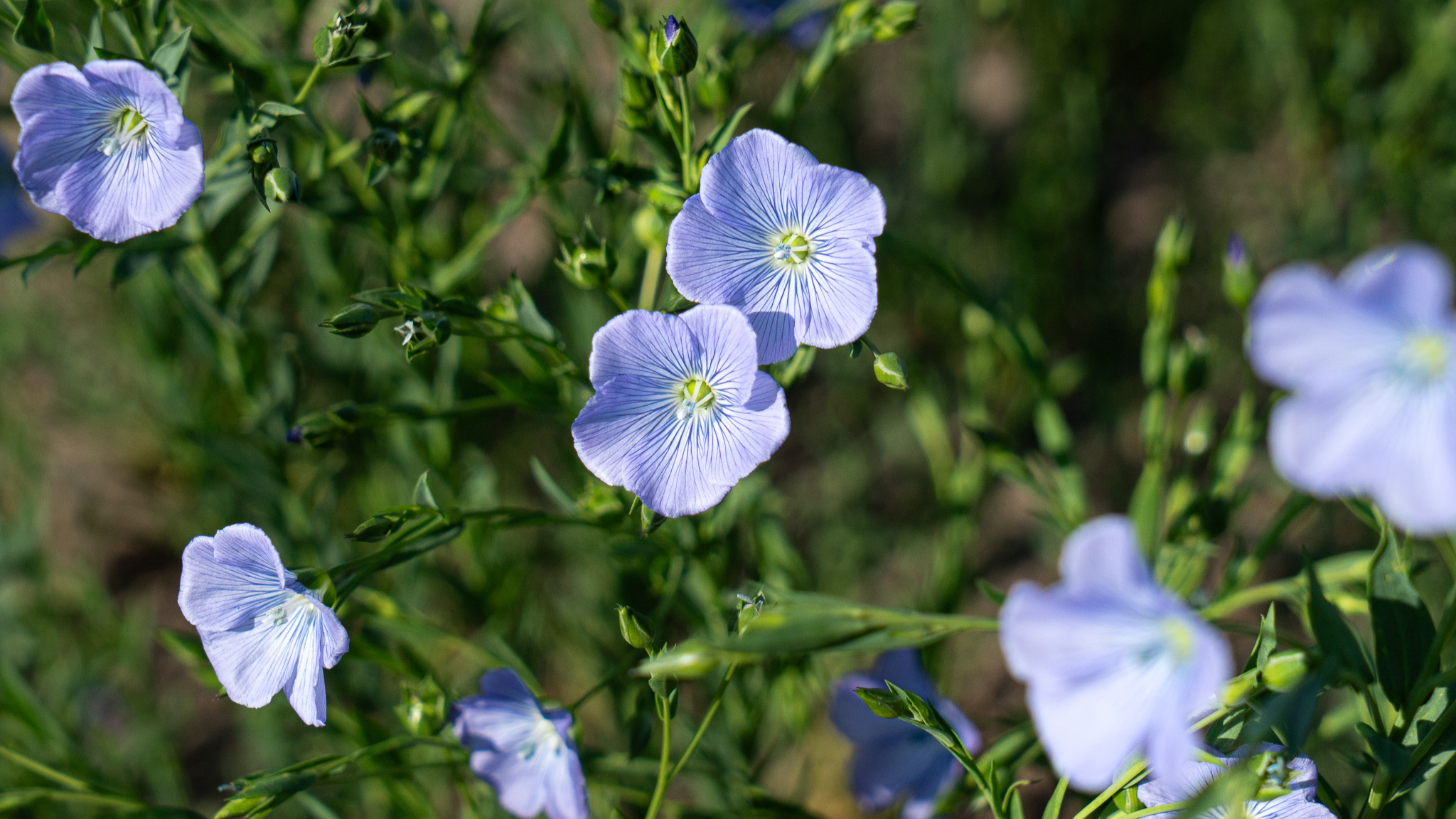
One of several flax varieties in NordGen's collection.
NoLa sheep
Genomic characterisation of Nordic Landrace sheep breeds for sustainable management and conservation (NoLa sheep) is a PhD project that aims to develop informed advice for improving the conservation and sustainability of the Nordic sheep genetic resources through genetic characterisation of the Nordic sheep breeds.
This aim as three subgoals which are:
- To improve methodology for genomic evaluation of landrace sheep breeds.
- To evaluate the genetic uniqueness of Nordic landrace breeds both regionally and globally.
- To characterise genotypes linked to health, resilience and production traits within Nordic landrace sheep population.
By determining the uniqueness of the Nordic breeds and identifying investigating genotype-phenotype interactions of resource allocation traits, the project provides the data necessary to prioritize conservation efforts and sustainable production, supporting biodiversity and climate adaptation.
This project will be active during 2025 to 2029 and is a collaboration between the Norwegian University of Life Sciences and NordGen, co-funded by NordGen and the Research Council of Norway, and will lead to the completion of a PhD degree.
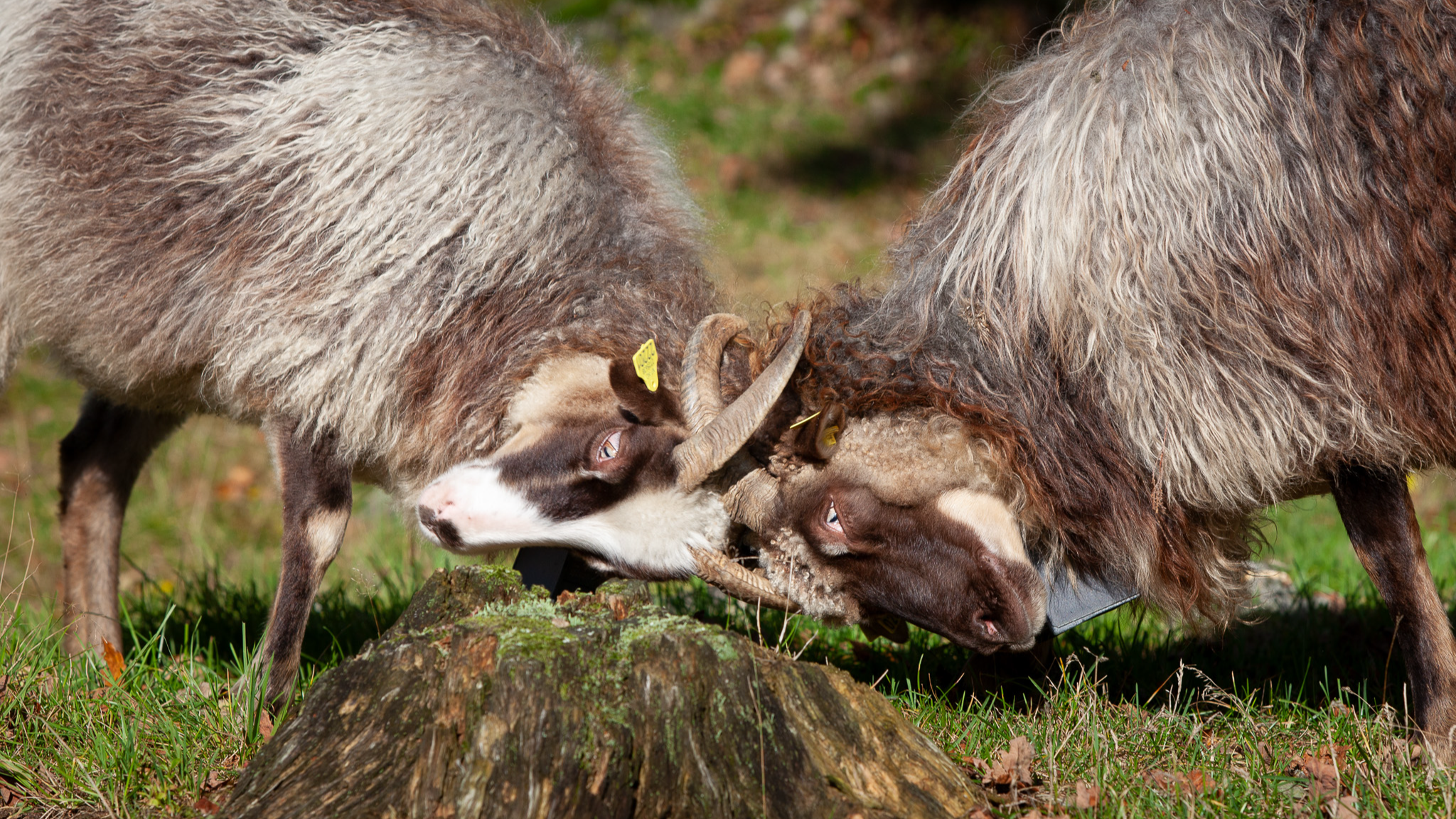
Old Norwegian sheep, captured in Agder.
Quality assessment of gene-banked rooster semen
Quality assessment of gene-banked rooster semen or shorter Rooster semen project is a pilot project that was active during 2024 to 2025, and is a collaborative project between NordGen, NIBIO and the Norwegian University of Life Sciences (NMBU). The project aims to identify ways to improve the fertility success of frozen semen collected by roosters.
At present, the main method for conserving chickens in through live gene banking, which leaves this species particularly vulnerable to external threats such as disease. Previous projects have aimed to start cryoconservation for the species as well, collected and froze semen from the Norwegian gene bank for chickens. Unfortunately, the fertilisation rate after thawing was poor. In this pilot project, the remaining frozen semen from these roosters will be tested to unveil possible reasons for the poor fertility rate after thawing.
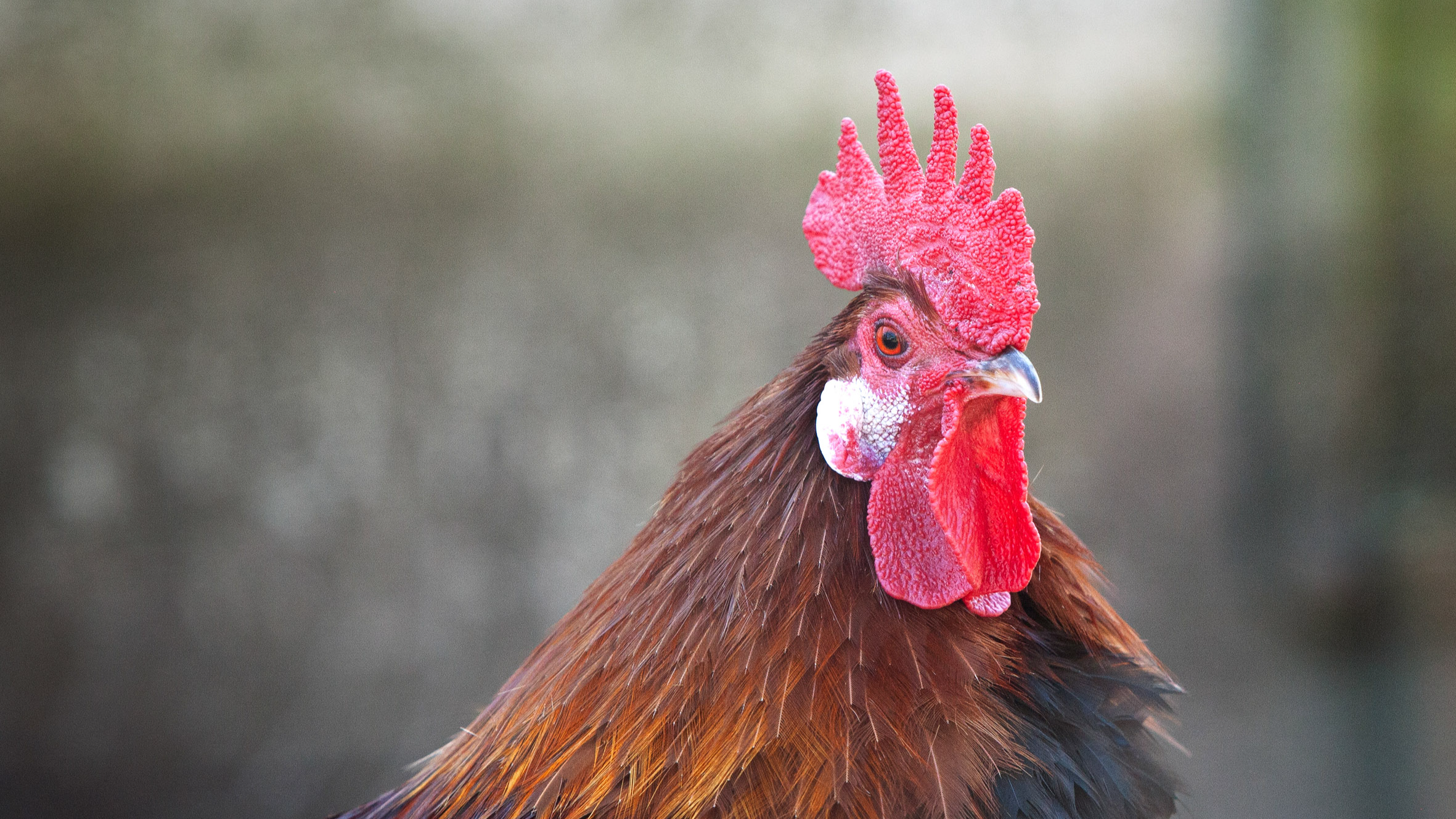
The Danish hen is a native chicken breed in Denmark.
For the cultivated diversity of the future
It has been shown that there are plant groups as well as geographical areas in Sweden that are poorly represented in the genebanks. In order to supplement the collections, new inventories and collection methods are required, as well as new innovative ideas about how plant material with its cultural history can be preserved and how knowledge about plants can be passed on.
The project For the cultivated diversity of the future: Rethinking the long-term preservation of cultivated plants and their history will develop new methods for how supplementary collections and innovative conservation can take place for the cultivated diversity with a focus on older culturally valuable plants.
The current project wishes to develop methods and criteria for how this can be implemented. Based on a geographically defined area and in collaboration with local actors within cultivated diversity, the project wants to develop a model for how this can be done. In this project, Gotland has been chosen as the work area. After the end of the project, the results and experiences may be applied to other areas in the country, e.g. in the coastal and inland areas of northern Sweden.
The project is funded by the Swedish Board of Agriculture and will run from 2024 to 2026.
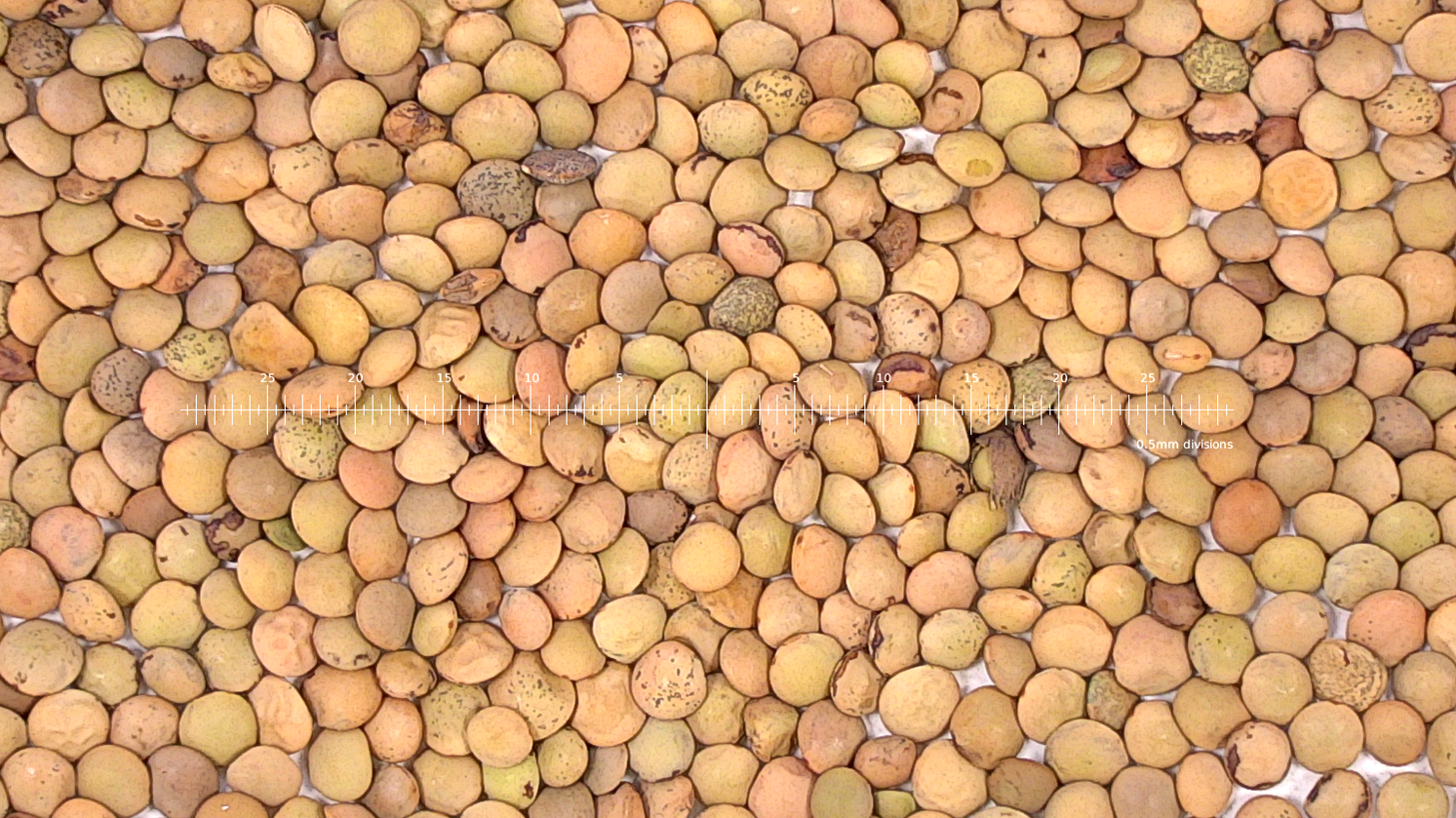
The seed lentil Gotlandslins, one of the current seed samples in the Nordic seed collection that originates from Gotland.
TastyBeans
The project Sustainable production of locally produced, tasty and nutritious edamame beans (TastyBeans) aims to develop local edamame soybean production in Denmark to meet rising demand for fresh, nutritious, and tasty plant-based foods, addressing challenges related to adaptation to northern climates and consumer preferences. A transition towards more plant-based diets requires a broader use of diverse plant protein sources. The highest protein content among vegetables is found in edamame – a specialty soybean. However, despite growing demand of edamame in Europe, it is mostly available as imported frozen products.
A key barrier to local edamame production in northern climates is the lack of germplasm and suitable varieties for countries outside Asia. At the same time, soybean is a global crop with ability to adapt – meaning that a future warmer climate in Denmark will favour the expansion of soybean production there. Therefore, the TastyBeans project is set to increase understanding of the genetic mechanism underlying adaption to long days and temperature conditions at higher latitudes.
The project is funded by Plant2Food, a platform supported by Novo Nordisk Foundation.