INTRODUCTION
Lene Krøl Andersen, NordGen's Executive Director, sums up the year of 2025.
As a research institution under the Nordic Council of Ministers, NordGen has an important social responsibility as we are working for the sustainable use and conservation of genetic resources that are important for Nordic agriculture and forestry. Climate change is currently happening faster than nature's ability to adapt, that is why our mission is more important than ever.
We have several important tasks ahead of us to ensure future biological climate-smart solutions, resilience in our ecosystems and to increase the competitiveness in the Nordic countries. NordGen plays an important role in this complex work at a time when society faces major challenges: to mitigate the effects of climate change, reduce the loss of biodiversity, the need for a more plant-based diet. There is also a desire for an increased food self-sufficiency in the Nordic countries, something that is becoming increasingly obvious due to the current geopolitical situation.
Useful and vital resources
Tasks and needs like these don't go away in a few years. Society has a strong need for long-term, stable solutions that will continue to provide us with food, feed, fiber, energy, medicine, and much more. Therefore, the conservation and sustainable use of genetic resources is a lifelong task that requires knowledge and insight.
We have several important tasks ahead of us to ensure future biological climate-smart solutions, resilience in our ecosystems and to increase the competitiveness in the Nordic countries.
The year 2025 was a busy year with strengthened and new collaborations with universities, private companies and international organizations. It was the year when NordGen became the focal point for conferences, research projects, networks, workshops and other meeting places for knowledge exchange. Many new contacts, consortia and, not least, projects were created during the year. These collaborations will generate new research that will contribute to a sustainable development in the Nordic Region.
In 2025, NordGen finished the last year of the current strategic period 2023-2025. In the strategy, NordGen continues with its conservation activities, and at the same time prioritizes research based work focusing on documentation, characterization and evaluation of the genetic resources.
Key areas in focus
During the year 2025, particular focus has been placed on the following key areas:
- Research and other activities in collaboration with industry and universities.
- Development of a new strategy for coming years and the implementation of priority areas in the Kalmar II declaration, such as:
- Increased focus on the use of the Nordic seed and potato collection.
- Climate and resilience as overarching themes.
- Improved data, documentation, and accessibility.
- Stronger synergy between the sections Plants, Farm Animals and Forestry.
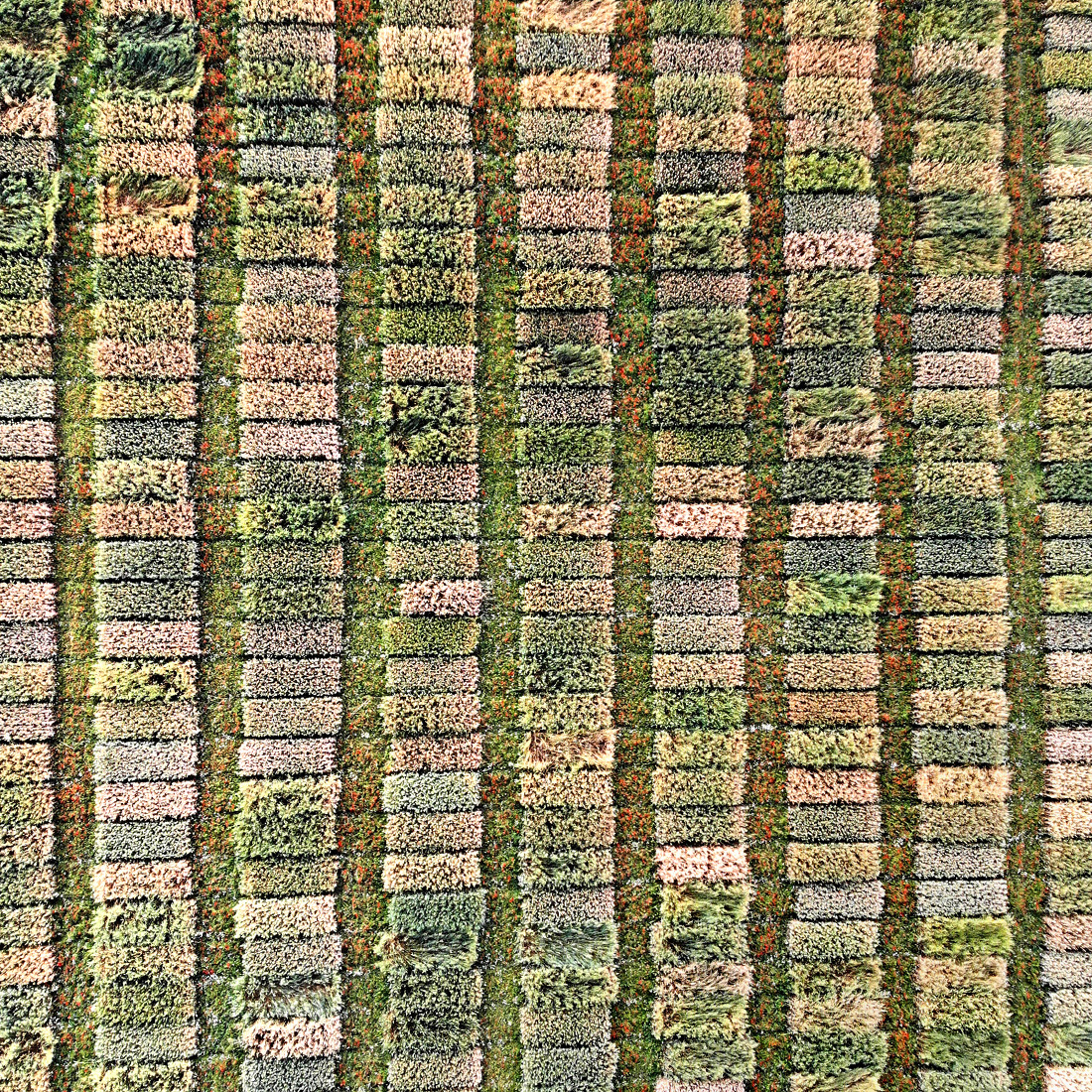
Part of the oat field that was cultivated in the collaborative project Avenue, the image was captured in July, 2025.
All these areas have a major impact on the work at NordGen. At the same time, it has been a year in which great results have again been achieved for NordGen's entire operations. It was also an active year on the international stage, where NordGen received prestigious recognition from the FAO, and made a strong impression in Lima, Peru, at the Eleventh Session of the Governing Body of the International Treaty on Plant Genetic Resources for Food and Agriculture (ITPGRFA).
In the following pages you can read more about our activities and achievements in 2025.