Knowledge centre – NordGen Plants
We live in a time when climate change is affecting our ability to grow our own food. Drought, floods and higher mean temperatures means that developing new plant varieties that can withstand the new challenges are more important than ever. But no plant breeding is possible without the green infrastructure stored in the DNA of seeds. And not even advanced gene technology can replace the natural genetic diversity that we find in our wild, semi-wild and cultivated crops. The most important task of NordGen Plants is to safeguard and facilitate the sustainable use of plant genetic resources that are important for agriculture in the Nordic countries. By doing so, we create conditions for a more environmentally friendly agriculture that can better withstand diseases, climate change and at the same time produce more nutritious food that corresponds to the consumers’ demands.
Key activities
The research conducted at NordGen Plants is mostly carried out within different projects. Read more about these activities under the chapter “Projects".
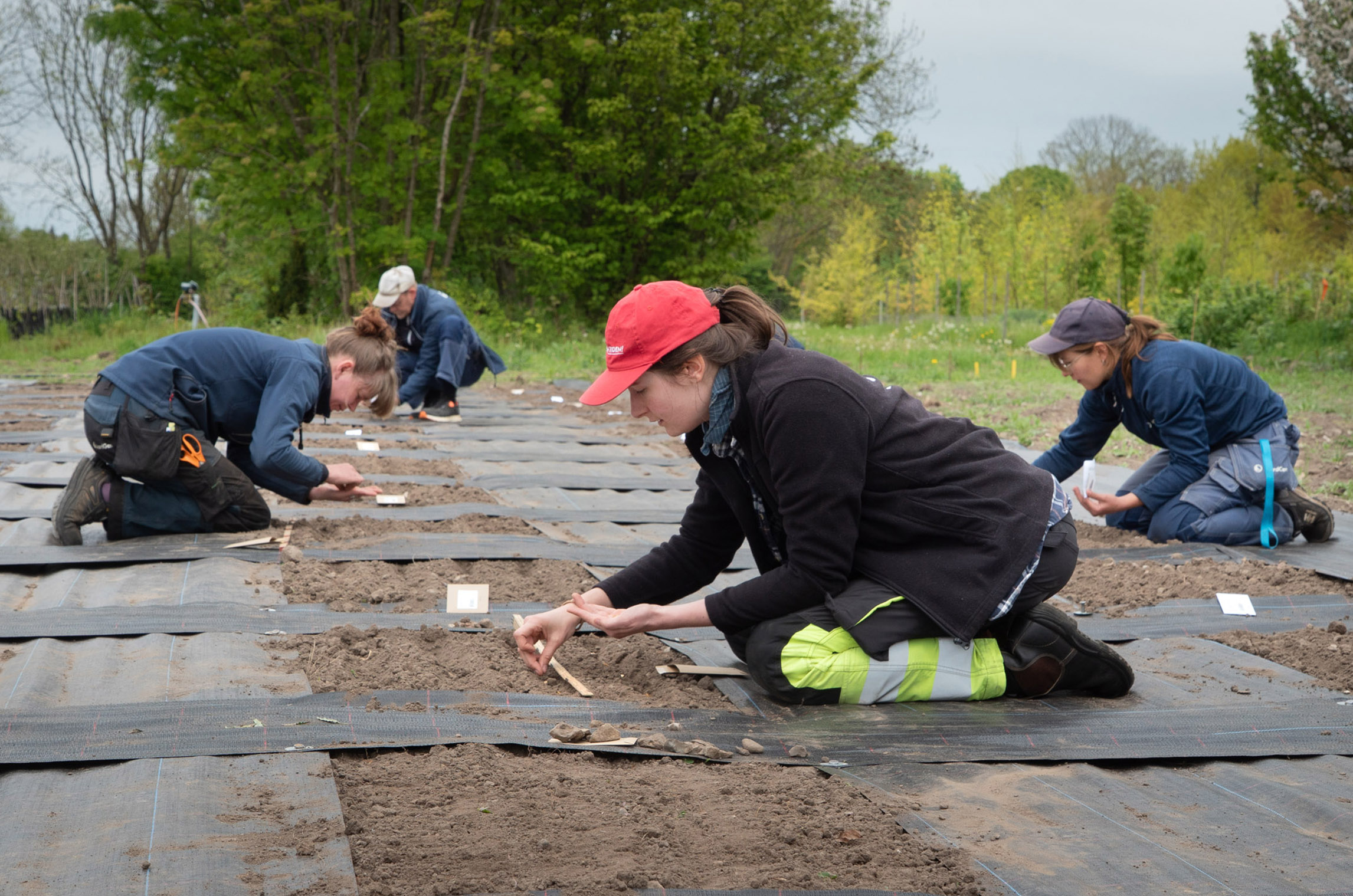
Sowing of Garden orache (Atriplex hortensis), May 2025.
Nordic and international collaboration
NordGen is part of and arranges several different meetings and seminars for Nordic stakeholders concerning plant genetic resources. 2025 was again a year filled with many interesting meetings in Alnarp and in other locations in the Nordic region. During the year, NordGen continued to experience increased demand for knowledge exchange on the utilisation of plant genetic resources in the Nordic seed and potato collection, from both public and private research programmes.
One such current example is the pan-Nordic collaborative project on crop wild relatives that includes a network of participants from all Nordic countries. During 2025, the fourth project period was initiated. Two other projects in 2025 focused on underutilised crops. In the FUnCrop project, NordGen collaborates with partners in the Baltic countries and Ukraine on crops like buckwheat, vetches, lentils and mustard. The project PROSPER consists of a consortium of 27 European institutions that will work on the project during 2025-2029. NordGen will focus on chickpeas, lusern and lupin. Another project launched in 2025 is called AVENUE and focuses on oats with traits suitable for organic production. Read about all projects here.
Global community
Preserving and distributing genetic resources requires international collaboration, and the foundation for this work is laid out in the International Treaty on Plant Genetic Resources for Food and Agriculture (ITPGRFA) and the Convention on Biological Diversity (CBD), ratified by all the Nordic governments. To NordGen, as part of the global genebank community, international collaboration is crucial. Forums for this work is the Governing Body (GB) to the ITPGRFA and the Commission on Genetic Resources for Food and Agriculture (CGRFA), The European Cooperative Programme for Plant Genetic Resources (ECPGR) and the Conference of the Parties (COP) to the CBD.
In November 2025, NordGen was present at the eleventh session of the Goerning Body (GB11) that took place in Lima, Peru – the first of the sessions ever in Latin America and also the first meeting to be co-hosted by two countries: Switzerland and Peru. As the Nordic countries’ joint genebank and knowledge center for genetic resources, NordGen is an observer at the Governing Body of the International Treaty.
In addition to attending the meeting, NordGen organized a well-attended side event on the Svalbard Global Seed Vault, together with the Crop Trust, the Norwegian Ministry of Food and Agriculture, and the International Plant Treaty. NordGen also participated in the opening of the educational exhibition “The Infinite Loop” which was shown during GB11—a unique co-production of the International Treaty, the International Potato Center (CIP), the CGIAR Genebanks, the Crop Trust, and NordGen.
In October, the first Global Technical Recognition Ceremony ever was held at FAO's headquarters in Rome to recognize the best practices and innovative approaches across six technical categories. NordGen Plants received the recognition in the category Sustainable plant production and protection.
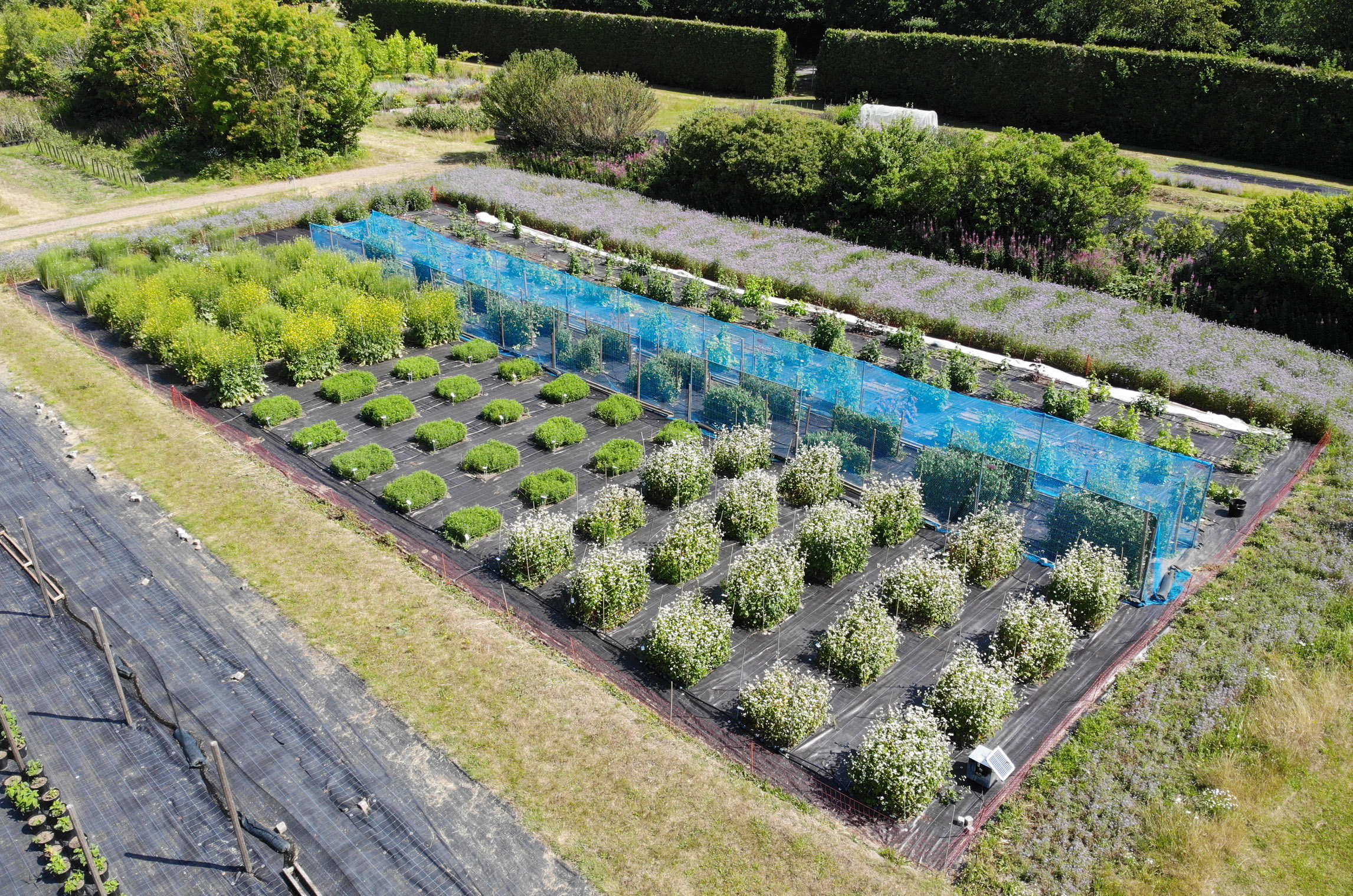
Part of NordGen’s cultivations, July 2025
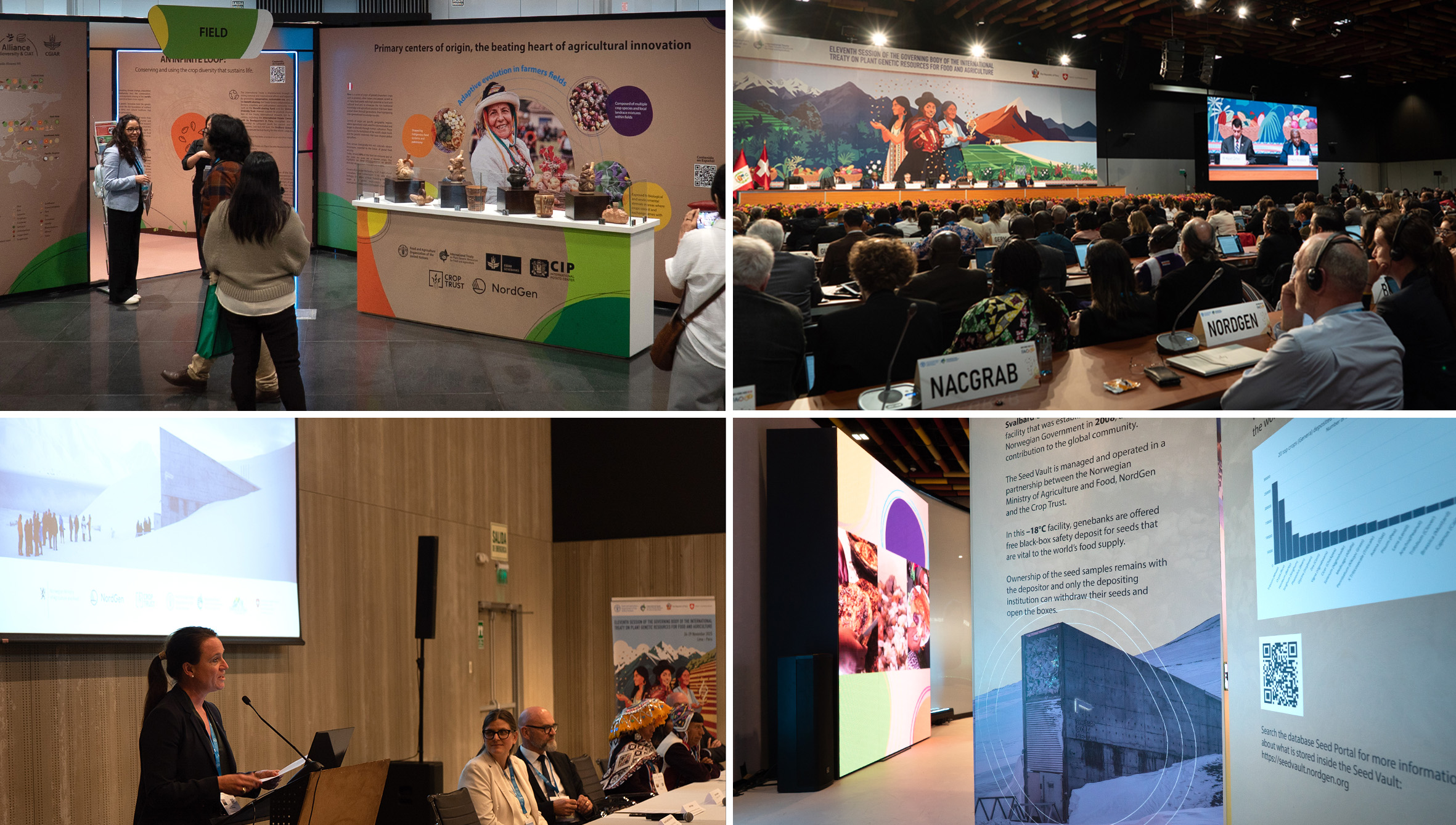
Photos from GB11 : The exhibition the Infinite Loop, plenary discussions and the side event "From the Peruvian Andes to Svalbard Global Seed Vault – An arctic backup facility preserving the PGR's of the world.
NordGen Plants is the largest department. It is divided in two, with the genebank maintaining the Nordic seed collection of about 34,000 seed samples and the research department working in a close relationship with public institutions, plant breeding companies and other organizations in order to identify green solutions for a more sustainable society.
A central part of NordGen Plants is the seven different Working Groups on plant genetic resources that together with the national programs constitute the very core of NordGen’s network of Nordic experts. They are an important link between the Nordic and the national technical work within a specific species group. The working groups contribute with insights to each Nordic country’s operations with genetic resources and is also important for knowledge exchange and network contacts.